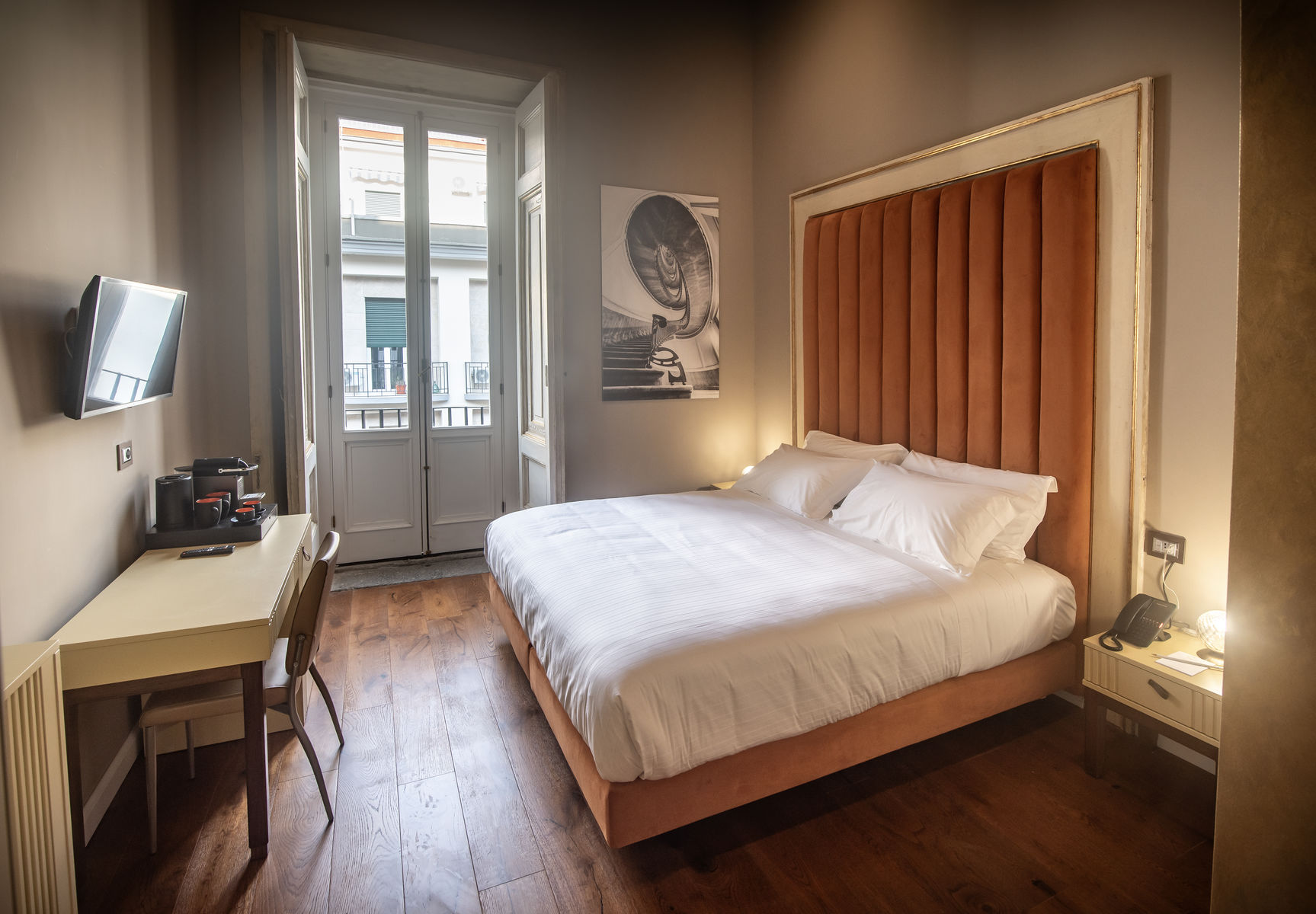
When we imagined Dimora Cavalcanti, the question wasn’t what to call the rooms: it was how to tell the story of Naples without rhetoric. The answer was already outside the window: the city itself, its neighborhoods, its names.
Places, not numbers
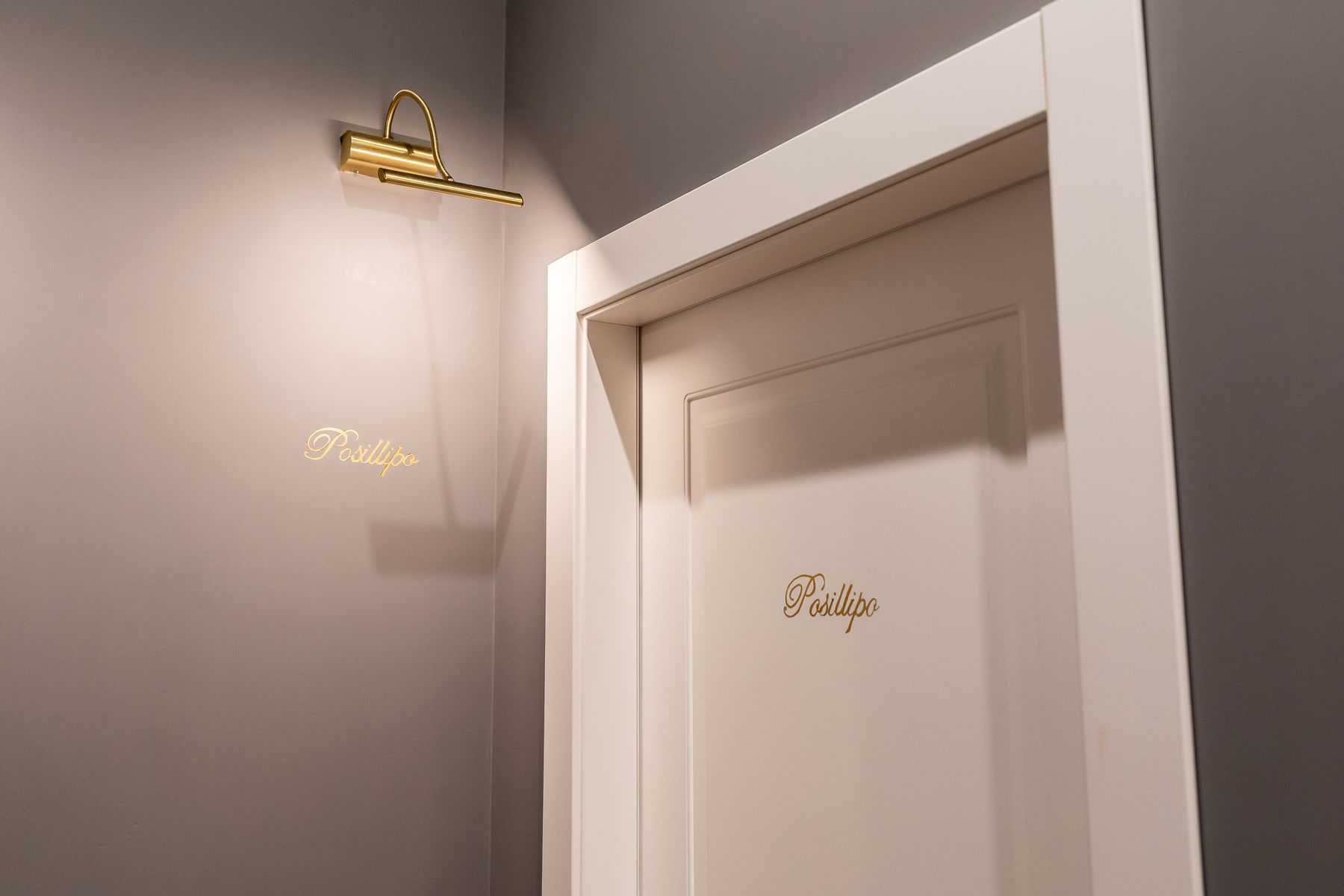
A room with a number is just a room. A room with a name is a promise. So every door in the residence bears the name of a Naples neighborhood, and every room interprets its character: not with souvenirs, but with atmosphere.
The six names
Partenope is the oldest name: the siren who, rejected by Ulysses, came to rest where the city would be born. It is the room most rooted in identity. Posillipo is the hill “that soothes all worries”: the room of slow time, with a whirlpool tub. Sanità is the most authentic district, and its room has the same warmth, with a view over via Toledo. Chiaia is the discreet elegance of the evening stroll: an intimate room designed for two. Bagnoli is the Naples that slows down by the sea: the quietest retreat in the residence. Marechiaro is the little window from the song: the room of Neapolitan evenings.
A way of choosing
The beauty of this choice is that it works both ways: you can choose the room for what it is, or for the neighborhood that calls to you. Some book Partenope for the space, others for the myth; some choose Bagnoli for the quiet, others for a name that tastes of the sea. Either way, you’ll be sleeping inside a piece of Naples.